Global health officials are intensifying efforts to eradicate yaws, a disfiguring skin disease that infects more than 64,000 people a year in 14 African and southeast Asian countries. But some critics say that the plans could fail, because they don’t take account of discoveries in the past few years that wild primate populations harbour the bacterial infection. That could complicate or foil eradication efforts, they say.
Public-health officials met in Geneva, Switzerland, on 29–30 January to discuss how to expand the eradication programme in 6 of the 14 countries in which yaws is endemic. But they did not discuss the part played by wild animals. “Even if this is not the main cause of re-emerging yaws nowadays, it would jeopardize global eradication,” says Sascha Knauf, who studies neglected tropical diseases at the Leibniz Institute for Primate Research in Göttingen, Germany. Continue reading Wild animals could hamper efforts to eradicate yaws disease→
Immunotherapy, which involves adapting immune cells to destroy specific cellular targets, has made a name for itself treating cancer. But over the last few years, a handful of research groups have advanced T-cell therapies for viral infections, and are now on the cusp of commercialization. “Using T cells to target infectious diseases is not a new field,” says immunologist Michael Keller of Children’s National Hospital in Washington, D.C., “but it’s something that’s expanding a great deal.” Continue reading Antiviral Immunotherapy Comes of Age→
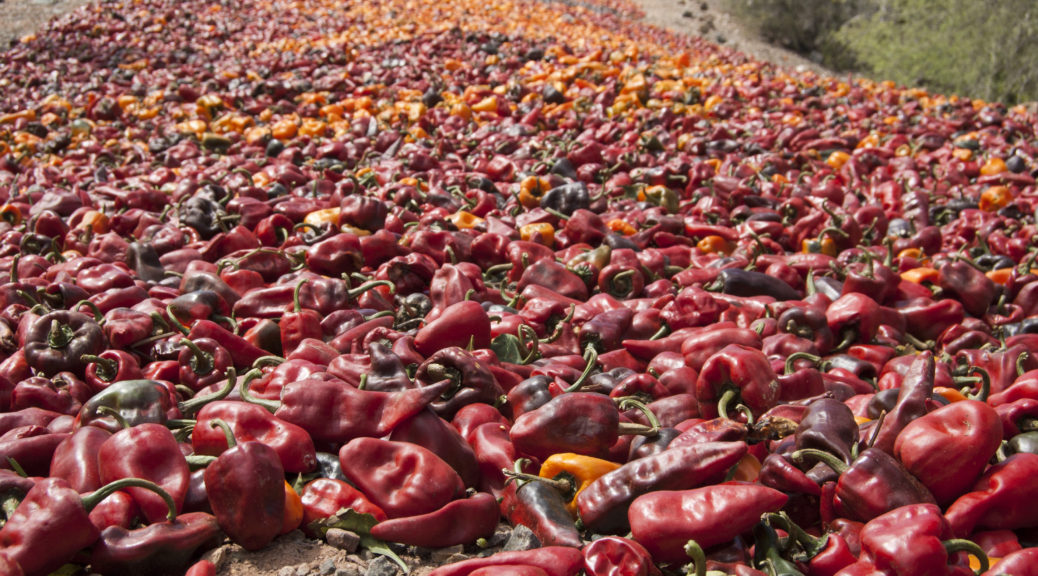
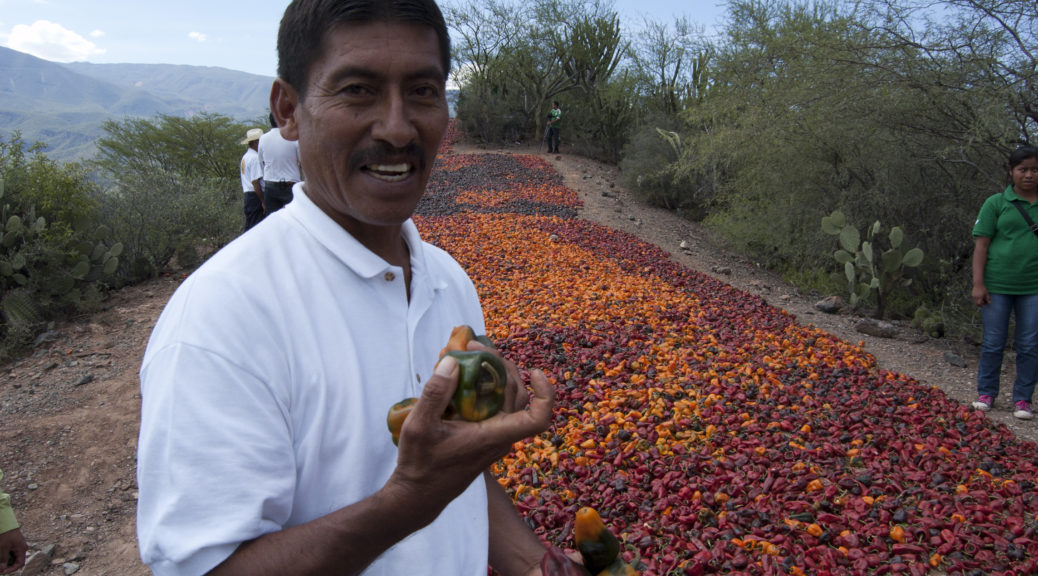
Una plaga de mosca blanca cayó hace dos décadas en los campos de chilhuacle amarillo, rojo y púrpura de la familia Martínez. El chilhuacle es el chile estrella en varias versiones del plato insignia de Oaxaca –el mole, claro–, y por mucho tiempo los cocineros habían estado pagando altos precios por las notas ahumadas y cítricas de este chile. Pero su costo estaba a punto de subir todavía más. Continue reading Al rescate del chile más emblemático de México→
A plague of whiteflies descended on the Martínez family’s fields of yellow, red, and deep purple chilhuacle in southern Mexico two decades ago. Chilhuacle is the star chilli in several versions of Oaxaca’s signature dish – mole – and cooks had long paid a premium for the chilli’s unique smoke and citrus flavours. But its cost was about to climb higher.
The Martínez family and the few other growers lost much of their chilhuacle crops in 1997. That year marked the start of a slow decline in chilhuacle production. Despite the chilli’s high market price, many growers stopped planting it. Continue reading Saving Mexico’s most totemic chilli→
Journalist covering global development by way of science and technology.